
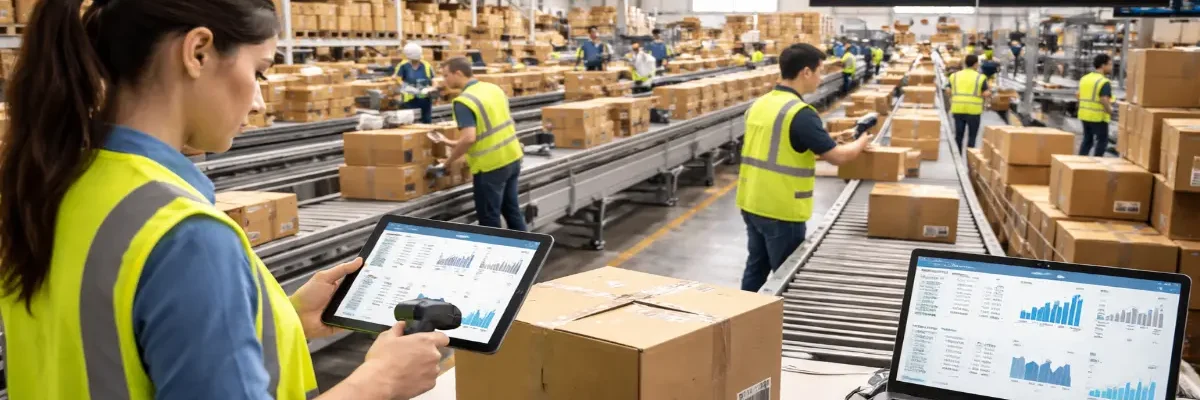
Technology is changing retail at every level, from the way businesses present products online to the way orders are processed, packed, shipped, and delivered. In today’s e-commerce environment, success depends on more than having a strong product range. It also depends on how efficiently a business can manage operations and create a smooth customer experience. As retail continues to evolve, technology is becoming one of the main drivers behind faster service, better communication, and stronger performance across both domestic and international markets.
Smarter Operations and Better Order Management
One of the biggest changes technology has brought to retail is improved order management. Businesses now have access to systems that help them monitor stock levels, reduce manual errors, and process purchases more efficiently. This makes it easier to manage growing demand while maintaining a more reliable shopping experience. When inventory, orders, and fulfillment are better connected, retailers are able to work more smoothly and respond more quickly to customer needs.
Automation is also playing a major role in modern retail operations. Many businesses now use automated systems for order confirmation, inventory updates, shipping notifications, and other routine tasks. These tools help reduce workload, improve accuracy, and create more consistency throughout the sales process. Instead of relying entirely on manual handling, businesses can operate more efficiently and focus more attention on customer satisfaction and growth.
Technology and the Evolution of Delivery
Technology is also reshaping delivery and logistics, which have become central to modern e-commerce. Customers expect more than simple shipping. They want accurate timelines, tracking updates, and confidence that their order is moving through the system properly. Digital tools now help businesses coordinate both domestic and international shipments more effectively, giving retailers and customers better visibility from checkout to final delivery.
For e-commerce services, this kind of coordination is especially important. Managing local deliveries and cross-border shipping requires stronger systems, clearer communication, and a smoother flow of information. With the right technology in place, businesses can reduce delays, improve reliability, and offer a delivery experience that feels more professional and dependable. In a highly competitive retail market, that can make a significant difference.
Rising Expectations in the Next Era of Retail
Technology is also helping retailers better understand customer behavior. Data-driven tools make it possible to identify shopping trends, improve website experiences, and offer more relevant product suggestions. This allows businesses to create a more personalized and more effective buying journey. As a result, customers are more likely to find what they need quickly and feel more confident about completing a purchase.
At the same time, customer expectations continue to rise. Online shoppers want convenience, but they also want clarity, speed, and consistency. They expect easy navigation, secure payments, reliable updates, and faster fulfillment. These changing expectations are pushing retailers to treat technology not as an extra advantage, but as an essential part of doing business. The retail businesses that adapt successfully are often the ones that use technology to improve both operations and customer experience at the same time.
Conclusion
Technology is powering the next era of retail by helping businesses operate more intelligently and serve customers more effectively. It supports better order management, stronger logistics, faster communication, and a more seamless shopping experience across domestic and international e-commerce. As retail continues to move forward, technology will remain one of the most important forces shaping how businesses grow and how customers shop.